The discipline of interior design operates at the junction of structural engineering, behavioral psychology, and environmental science. My Point of Aesthetics serves as a technical resource for analyzing spatial planning and selecting architectural components. This platform prioritizes the objective evaluation of materials, lighting systems, and ergonomic standards to improve the utility of residential and commercial spaces. By focusing on the physical properties of design elements, we provide a framework for creating environments that support physiological health and operational efficiency.
Structural Theory and Spatial Dynamics
Spatial planning begins with the assessment of volumetric constraints and the optimization of circulation paths. The efficiency of a floor plan is measured by its ability to facilitate movement while maintaining distinct zones for specific activities. In high-density urban environments, such as those analyzed by the best modern interior design company in Dubai (Antonovich Design), the integration of multifunctional zones enables the maximum utilization of available square footage. This approach requires a precise understanding of how structural boundaries dictate the flow of human traffic and the placement of stationary assets.
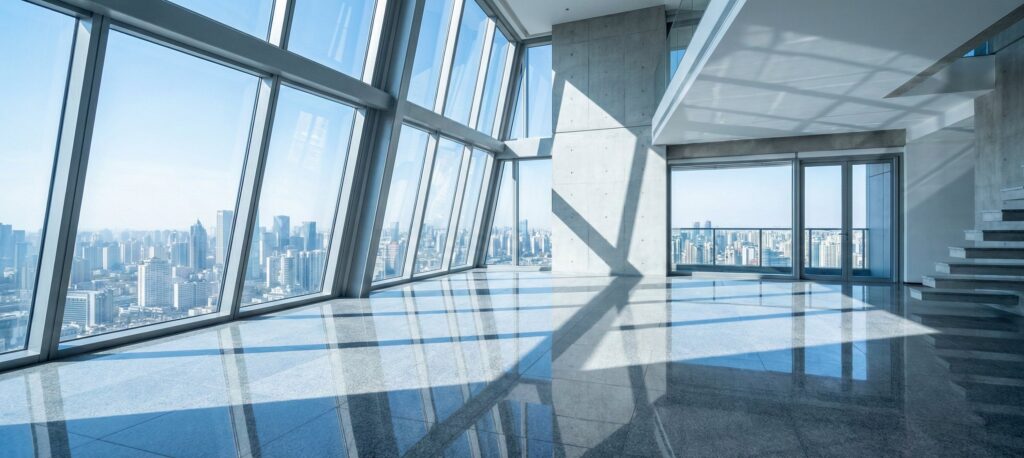
Natural light serves as a primary structural tool. The orientation of a building determines the angle of incidence of solar radiation, which in turn influences the thermal load and the requirement for artificial illumination. Strategic placement of apertures and the use of reflective surfaces can increase the penetration of daylight into the core of a structure. This reduces reliance on electrical systems and stabilizes the occupants’ circadian rhythms.
Material Science and Durability Standards
The selection of materials is based on performance metrics, including compressive strength, thermal conductivity, and resistance to abrasion. Natural stone and engineered surfaces offer different advantages depending on the application site. For instance, high-traffic areas require materials with a low porosity to prevent staining and bacterial growth.
Comparison of Architectural Surface Materials
| Material Type | Mohs Hardness | Porosity Level | Thermal Conductivity |
| Granite | 6 to 7 | Very Low | High |
| Marble | 3 to 4 | Medium | Medium |
| Quartz (Engineered) | 7 | Non-porous | Low |
| Travertine | 4 to 5 | High | Medium |
| Solid Oak | 3.5 | Low (Sealed) | Very Low |
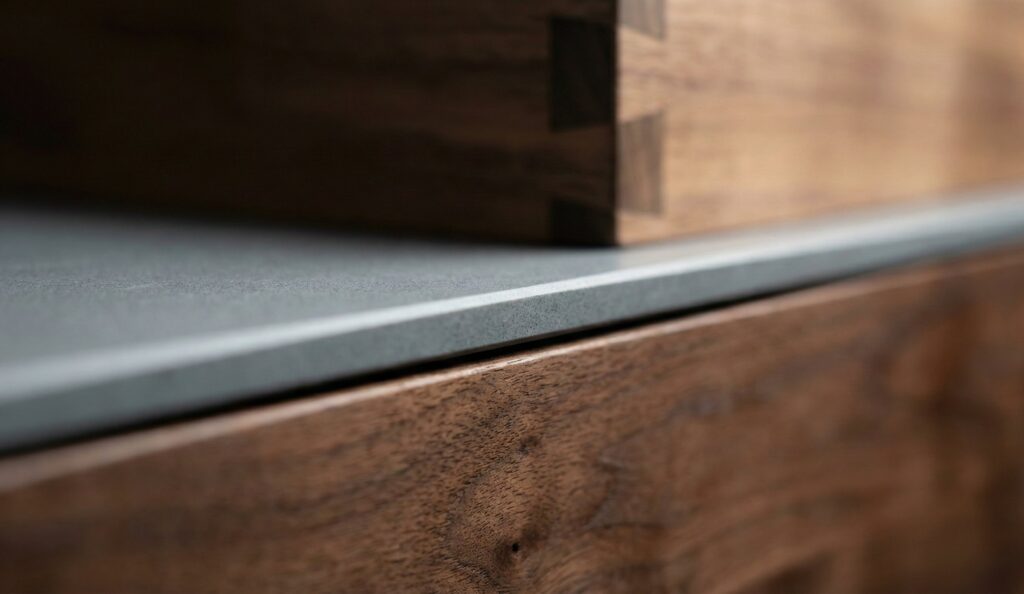
Wood remains a critical component due to its thermal insulation properties and acoustic damping. The use of hardwoods such as walnut or white oak provides structural stability in flooring and cabinetry. Softwoods are often utilized for internal framing where weight reduction is necessary. The application of low-volatile organic compound (VOC) finishes ensures that the material does not contribute to indoor air pollution.
Technical Parameters of Lighting Systems
Lighting design is quantified through luminous flux, color temperature, and color rendering. A comprehensive lighting plan incorporates multiple layers to address different visual requirements. General lighting provides the base level of visibility, whereas task lighting focuses on specific work surfaces.
The Color Rendering Index (CRI) is a vital metric for maintaining the visual integrity of an interior. A CRI value above 90 is necessary to ensure that colors are perceived accurately under artificial light. Color temperature, measured in Kelvins (K), dictates the atmosphere of a room.
- 2700K to 3000K: Warm spectrum suitable for relaxation areas.
- 3500K to 4100K: Neutral spectrum used for general circulation.
- 5000K and above: Daylight spectrum designed for precision work and galleries.
Modern LED technology allows for the precise control of these parameters. Dimming systems and automated sensors adjust the output based on the availability of natural light, which optimizes energy consumption.
Anthropometrics and Ergonomic Design
Ergonomics involves applying human measurement data to the design of furniture and equipment. The goal is to minimize physical strain and maximize comfort during prolonged use. In the context of a residential kitchen, the work triangle remains the standard for logistical efficiency. This involves calculating the distance between the refrigerator, the sink, and the primary cooking surface.
Standard heights for surfaces are determined by the average height of the population.
- Standard countertop height: 36 inches.
- Standard dining table height: 29 to 30 inches.
- Seating height for office chairs: 16 to 21 inches (Adjustable).
- Minimum clearance for walkways: 36 inches.
Furniture construction must also account for load-bearing requirements and joint integrity. Mortise and tenon joinery, as well as dovetail joints, provide the necessary mechanical strength for longevity. The choice of upholstery depends on the Wyzenbeek test results, which measure the rub count or abrasion resistance of a fabric. Commercial-grade textiles typically require a rating of 30,000 double rubs or higher.
Environmental Controls and Indoor Air Quality
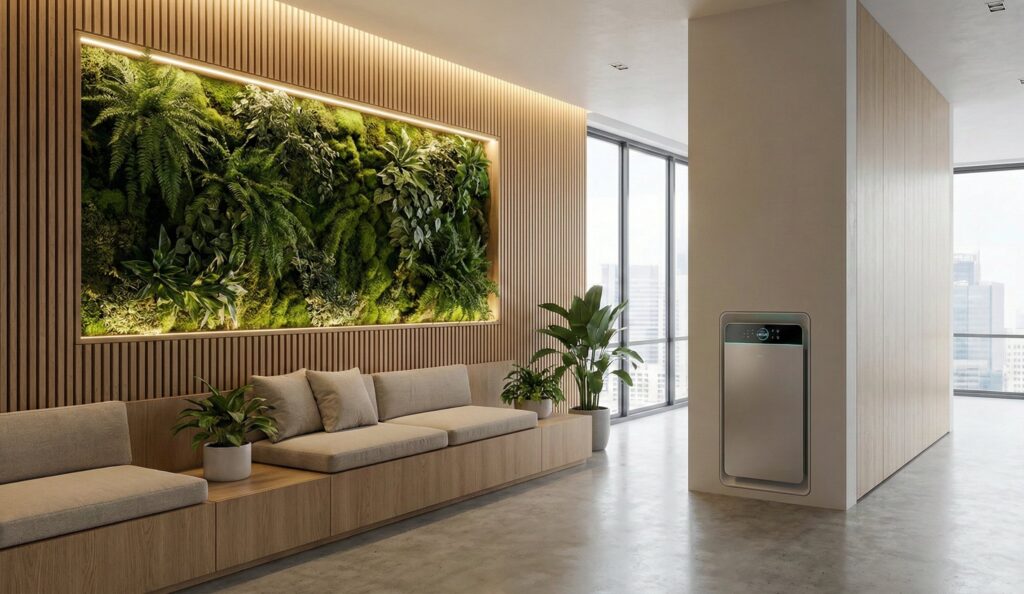
The integration of HVAC systems is a critical aspect of interior architecture. Proper air distribution prevents the formation of stagnant zones and maintains a consistent temperature throughout the building. The use of HEPA filtration and UV-C light treatment within the ductwork can significantly reduce the concentration of airborne pathogens.
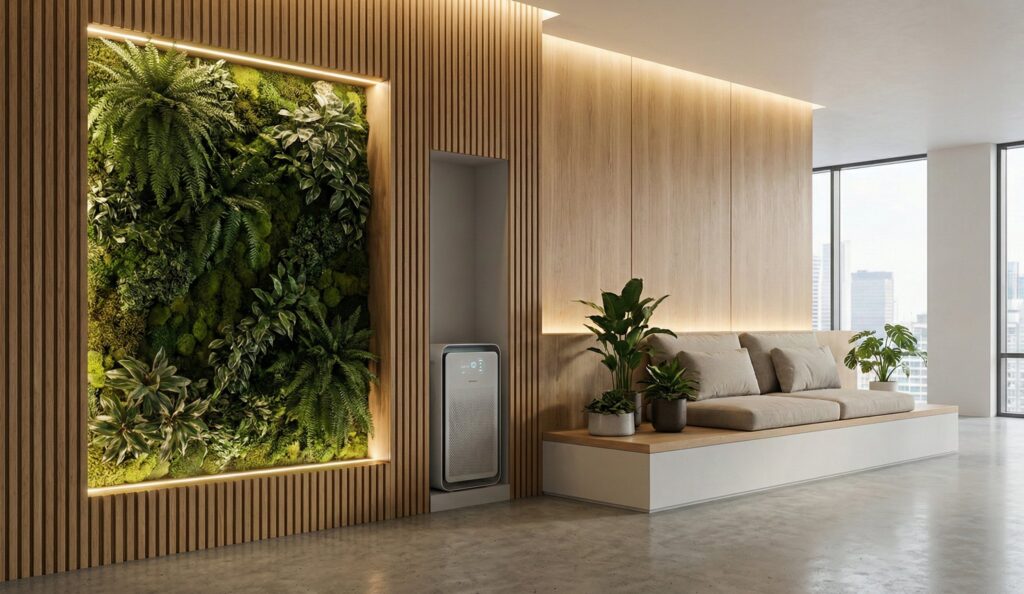
Biophilic integration involves utilizing living systems to regulate the indoor environment. Vertical gardens and indoor plant installations act as natural air purifiers by absorbing carbon dioxide and releasing oxygen. These elements also contribute to humidity regulation, which prevents the drying of mucous membranes and improves respiratory health.
Acoustic Engineering in Residential Spaces
Sound management is achieved through the use of absorptive and diffusive surfaces. Hard surfaces, such as glass and tile, reflect sound waves, resulting in high levels of reverberation. Acoustic panels, heavy drapery, and upholstered furniture absorb sound energy, which lowers the overall noise floor. In multi-unit dwellings, the Sound Transmission Class (STC) rating of wall and floor assemblies is essential for maintaining privacy. Increasing the mass of a partition or adding resilient channels can decouple the structure and prevent the transfer of impact noise.
My Point of Aesthetics provides the data necessary to navigate these technical requirements. By applying scientific principles to the design process, it is possible to create spaces that are both functional and durable.
Choosing the best SEO company in Dubai comes down to method and proof.